
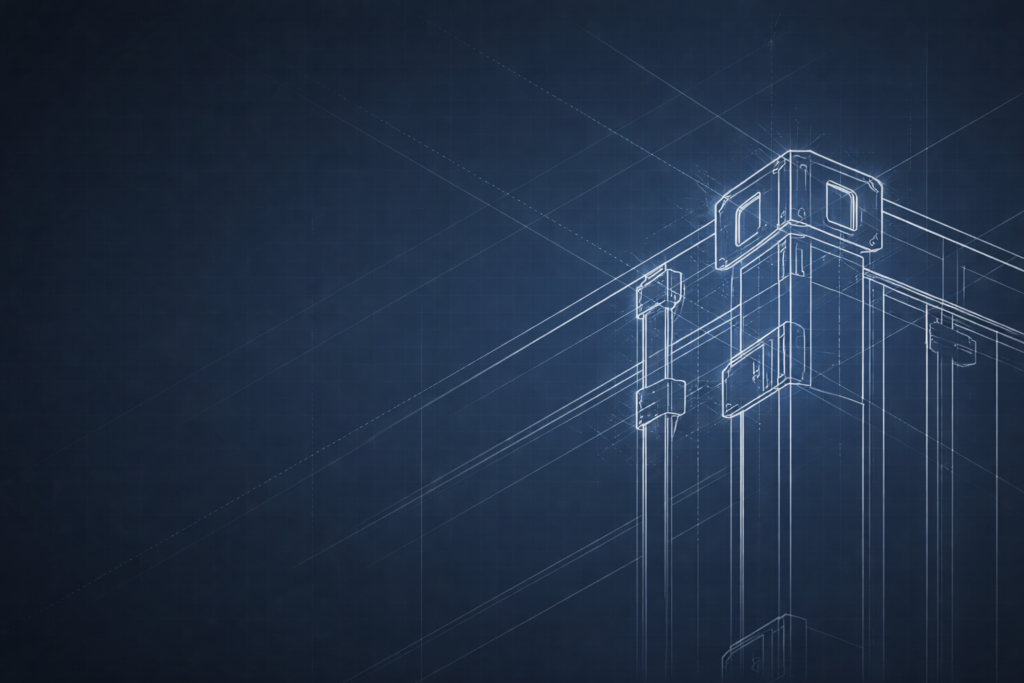
Engineering & Structural Container Modifications
Structural verification, CSC recertification and certified container modifications for industrial, offshore and safety-critical applications.
Our Engineering Scope
POLKONT delivers in-house engineering for container modifications and specialized container systems.
Our engineering team in Poland utilizes advanced FEM analysis to ensure compliance with both local building codes and international Eurocodes (EN standards).
Our engineering expertise includes:
- FEM-based structural verification and load analysis
- Structural redesign for modified shipping containers
- BESS (Battery Energy Storage Systems) structural & thermal integration
- ATEX / EX compliant design support
- CSC recertification after structural modification
- Fire safety and risk mitigation concepts
- Authority approval and full technical documentation
SPECIALIZED ENGINEERING
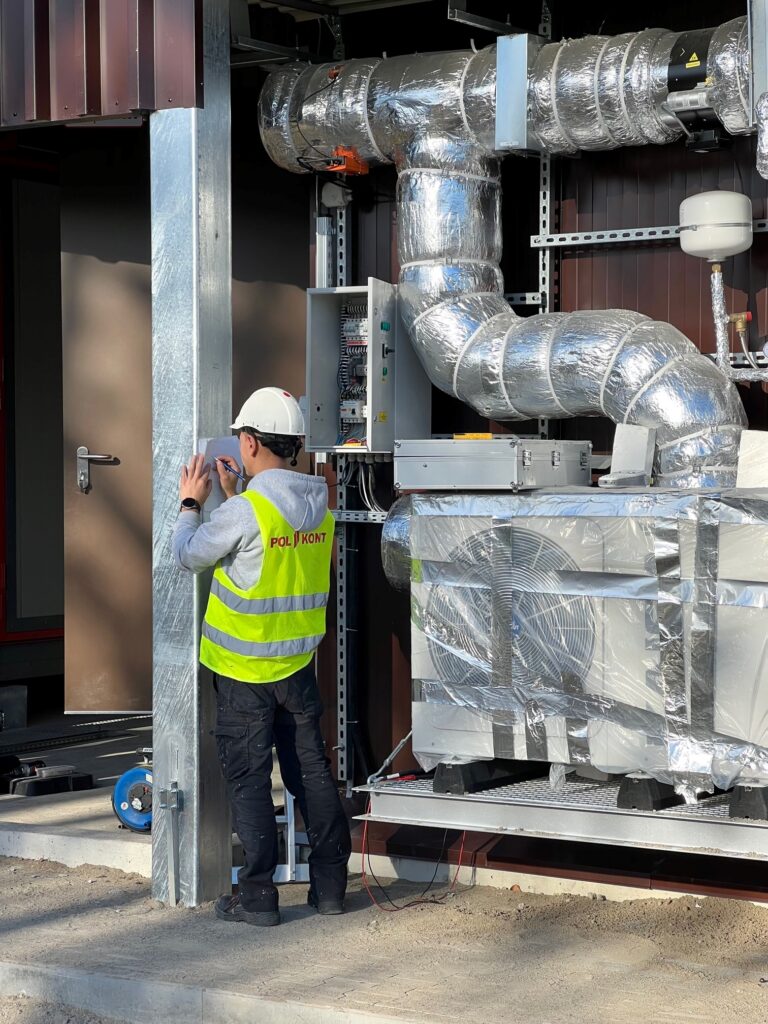
ATEX & Hazardous Area Container Systems
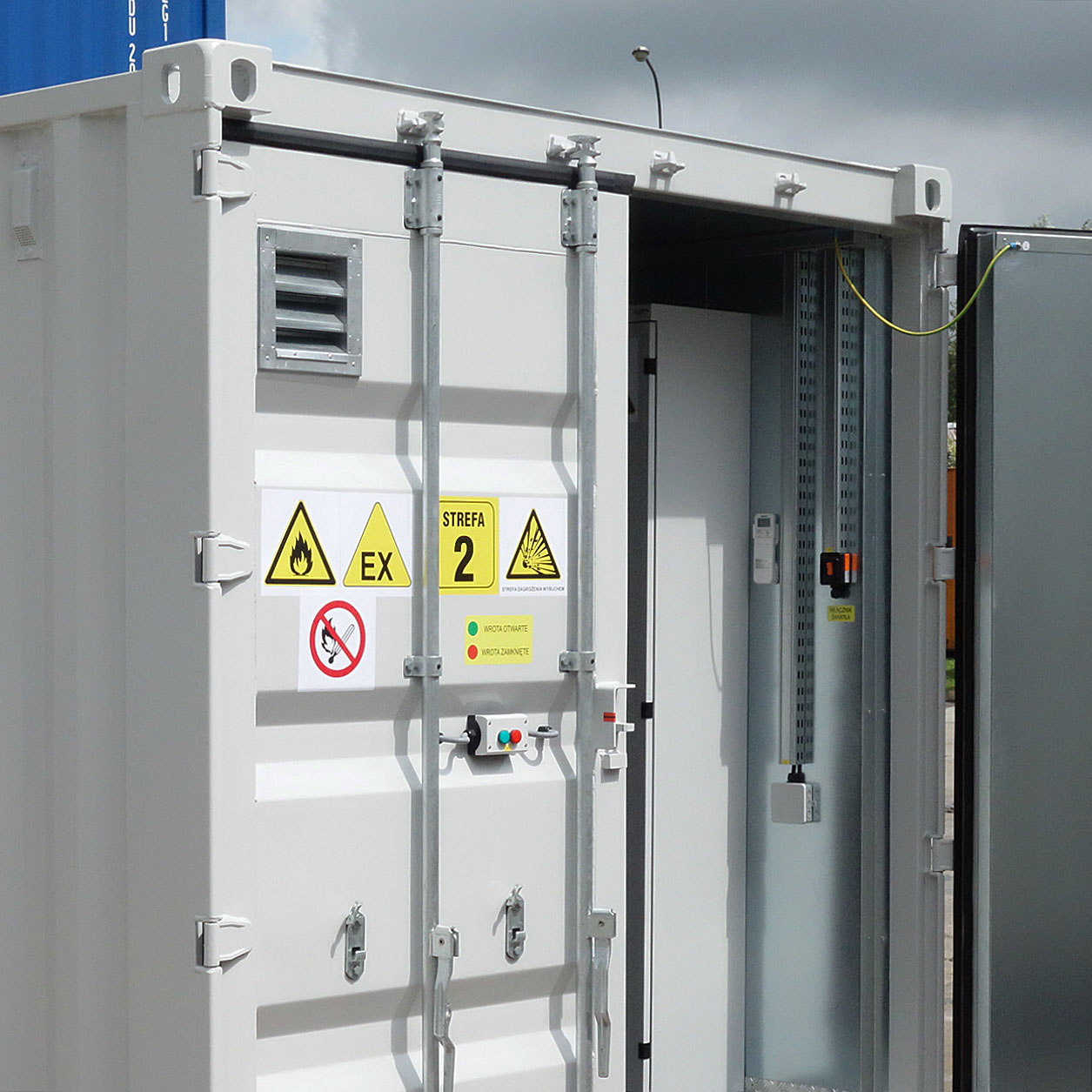
ATEX / EX Compliant Container Systems
POLKONT designs and delivers container systems engineered for hazardous industrial environments requiring ATEX / EX compliance and certified technical integration.
- ATEX Zone 1 & Zone 2 design support
- Explosion risk mitigation integration
- Certified electrical and HVAC systems
- Fire protection and safety concepts
- Compliance documentation and authority coordination
SPECIALIZED ENGINEERING
BESS & Energy Storage Container Systems
Structural & Thermal Engineering for Power Infrastructure
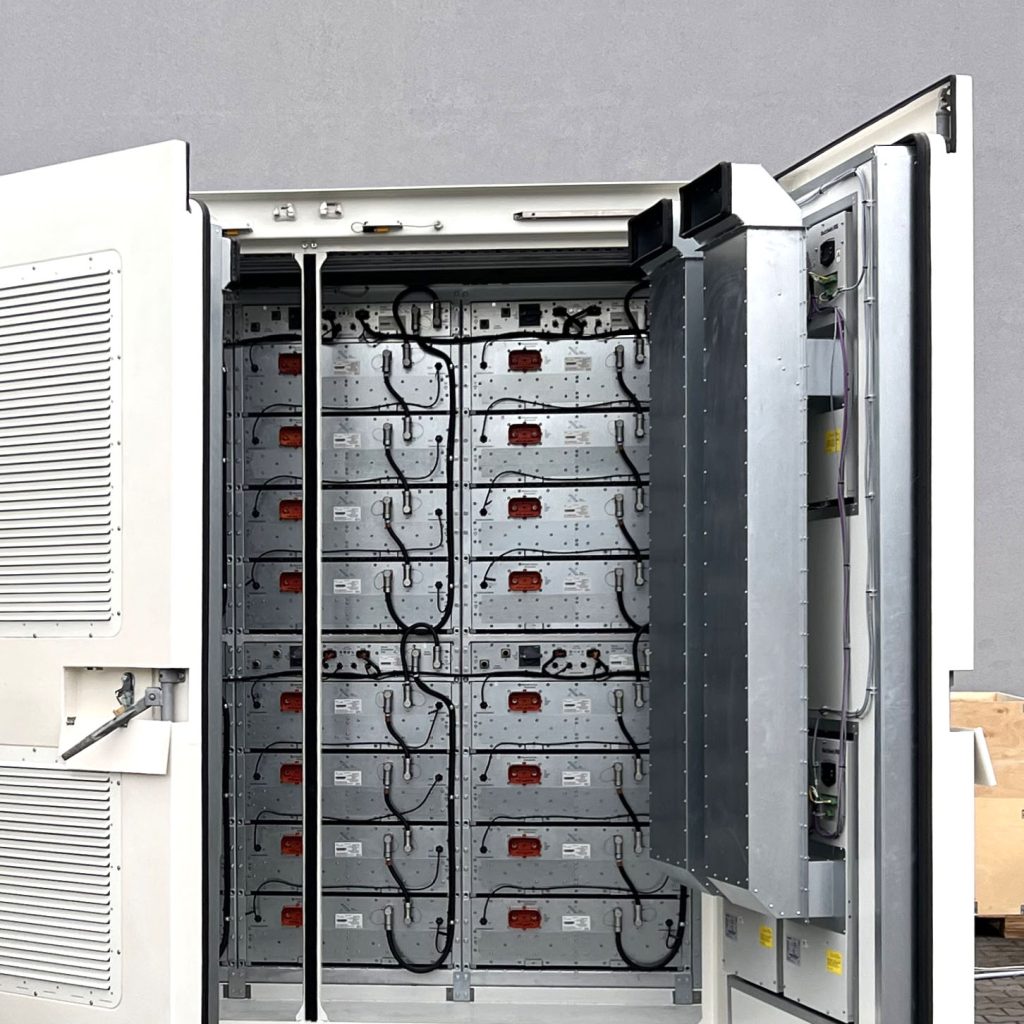
POLKONT provides comprehensive structural engineering and system integration support for high-capacity Battery Energy Storage Systems. We design secure, fire-rated enclosures optimized for heavy static loads and critical climate control.
- Structural reinforcement for heavy battery racks
- Thermal management & HVAC spatial integration
- Fire safety and suppression system coordination
- Cable routing and high-voltage compliance support
Our Engineering Process
01
Technical Assessment
Project scope definition, load requirements evaluation and regulatory framework identification.
02
Structural Design & FEM Verification
Finite Element Method (FEM) simulations, stress analysis and compliance validation.
03
Certified Modification & Testing
Controlled production process, structural testing and quality control in certified facilities.
04
Approval & Documentation
Preparation of full engineering documentation and coordination with notified bodies.
Certified Manufacturing & Independent Quality Assurance

Questions & Answers
What engineering services does POLKONT provide?
POLKONT provides engineering services for custom ISO container modifications, including structural verification, FEM analysis, CSC recertification support, ATEX engineering, equipment integration and preparation of technical documentation for industrial and infrastructure projects.
When is structural verification required for a modified shipping container?
Structural verification is typically required whenever modifications affect the load-bearing structure of an ISO container. Examples include large wall openings, roof modifications, heavy equipment installation, reinforced floors, additional structural frames or lifting arrangements.
Engineering calculations help verify that the modified container continues to meet structural performance requirements.
What is FEM analysis in container engineering?
Finite Element Method (FEM) analysis is an engineering simulation used to evaluate stresses, deformations and structural behaviour under defined loads.
FEM verification supports safe engineering decisions and helps optimize structural modifications before manufacturing begins.
What is CSC recertification?
CSC recertification is the process of verifying that a modified shipping container continues to comply with the International Convention for Safe Containers (CSC) after structural alterations.
Depending on the scope of modifications, engineering calculations, inspections and structural testing may be required before a new CSC approval plate can be issued.
Can any shipping container be modified?
Most ISO shipping containers can be modified, but every project should begin with an engineering assessment.
Factors such as container condition, corrosion, previous repairs, intended loads and transport requirements determine whether structural modifications are feasible.
Do all container modifications require engineering calculations?
Not every modification requires detailed structural calculations.
However, engineering verification is recommended whenever modifications influence the container’s structural integrity, transportation safety or compliance with applicable regulations.
Can you engineer containers for ATEX hazardous areas?
Yes. POLKONT designs container systems for hazardous industrial environments requiring ATEX / EX compliance. Engineering support includes structural design, equipment integration, ventilation concepts, fire safety considerations and technical documentation.
Do you support energy storage and BESS projects?
Yes. POLKONT provides engineering support for Battery Energy Storage System (BESS) containers, including structural reinforcement, HVAC integration, equipment foundations, cable routing coordination and preparation of manufacturing documentation.
Can modified containers remain suitable for transport?
Yes, provided that modifications are properly engineered and, where required, verified through structural calculations, inspections and certification procedures. Transport suitability depends on the scope of modifications and applicable regulations.
Do you prepare engineering documentation?
Yes. POLKONT prepares structural calculations, manufacturing documentation, technical drawings, compliance documentation and project-specific engineering records supporting industrial and infrastructure projects.
Do you work only in Poland?
No. POLKONT supports engineering and container modification projects for clients across Europe, providing technical documentation in English and cooperating with international industrial customers.
How do I start an engineering project?
The process typically begins with a technical discussion of the project requirements.
Our engineering team reviews the application, assesses structural and regulatory requirements, develops the engineering concept and prepares the technical documentation before manufacturing begins.
What is the difference between container engineering and container modification?
Container modification refers to the physical alteration of an ISO container, while container engineering covers the complete technical process behind those modifications. This includes structural design, FEM verification, compliance assessment, technical documentation and manufacturing support to ensure the modified container is safe, functional and fit for its intended application.
Discuss Your Container Engineering Project
Need certified container modification or structural verification?
Contact our engineering team.